Proud Official Sponsor


Hoarding & Brain Activity
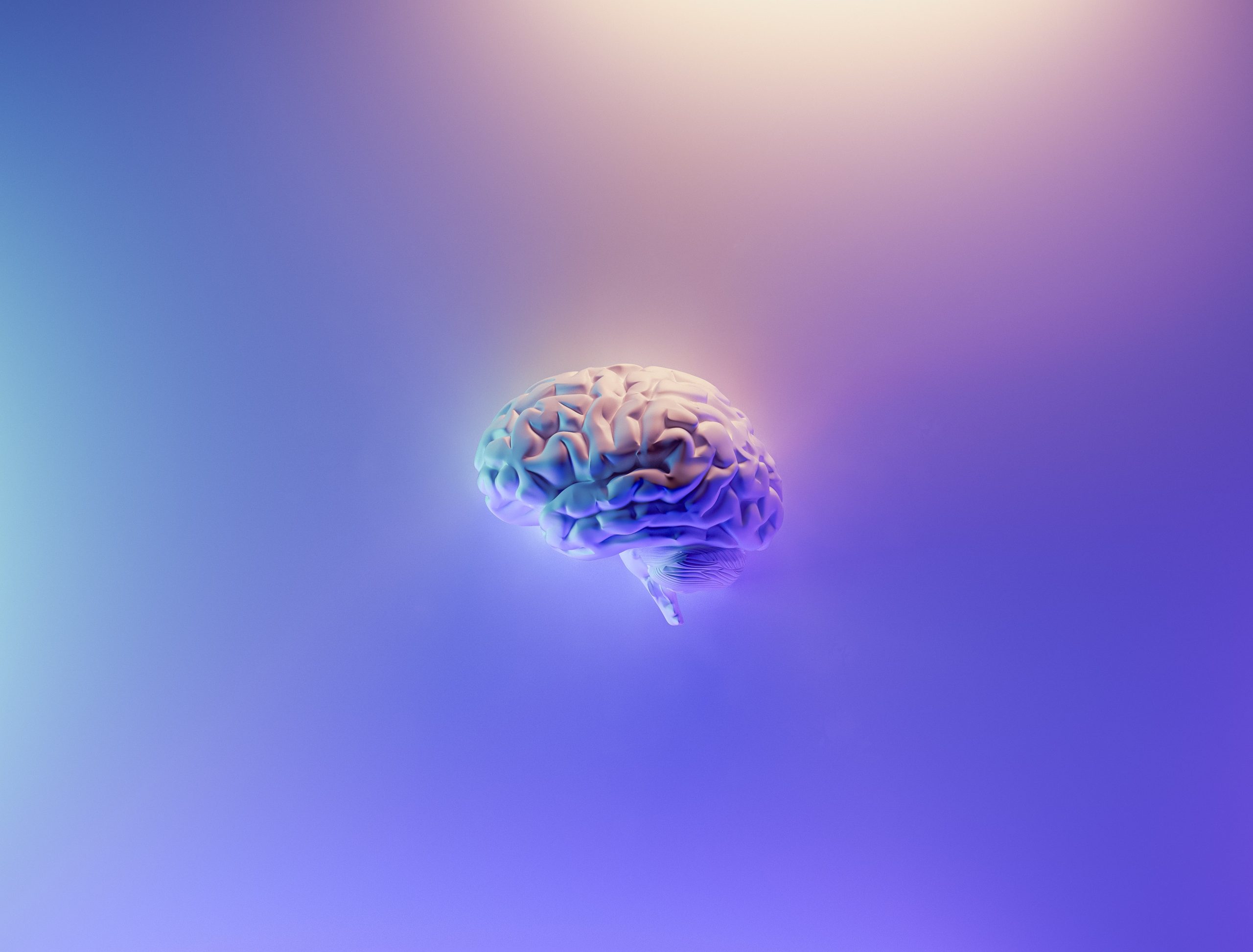

How does neuroplasticity play a part in managing Hoarding Disorder/Behaviour?
In support of Brain Awareness Week, our Psychologist & PhD Researcher Sam Wainman, gives us a few of his favourite facts regarding the brain & the brain of those who display hoarding behaviour.

ONE: Those who hoard show increased activity in the brain region relating to decision making and emotional attachment when at rest (Gehring, 1999). The level of increased activity is correlated with the individual’s hoarding symptoms (Saxena, 2008). This means the greater someone’s hoarding symptoms, the more active this region is.

TWO: Your brain grows the more you practice a skill! One study found that the brain region responsible for spatial awareness was bigger for London cabbies than London bus drivers who regularly drive the same route. In fact the size of this region was correlated with the number of years they had been a taxi driver, suggesting that their brain had grown to support all the memories containing where everything is and how to get there!

THREE: The brain region responsible for processing reward value is more hyperactive in those with hoarding disorder when making decisions relating to discarding (Tolin et al., 2008)
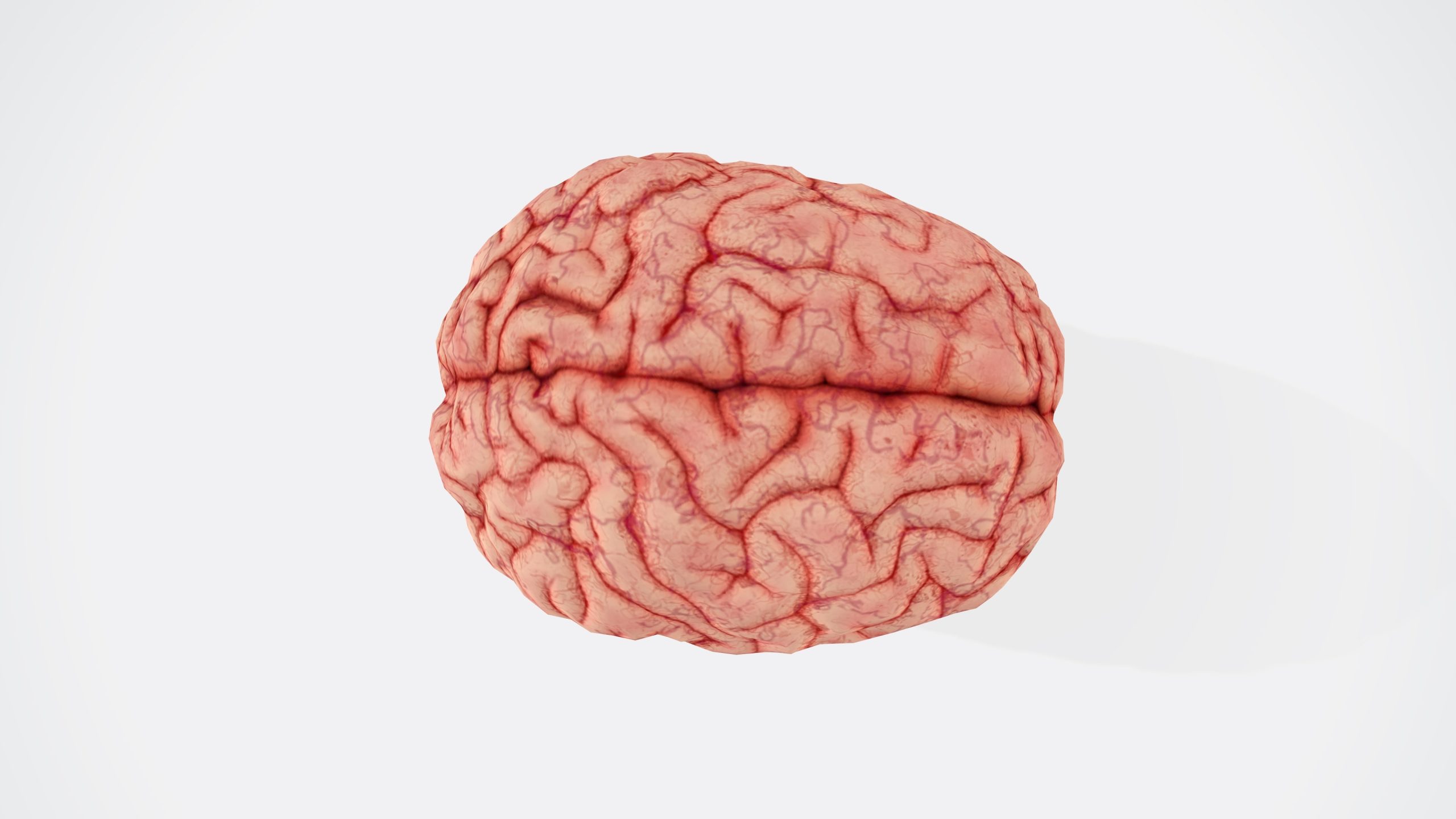
FOUR: The left hand side of your brain controls the right hand side of your body and the right hand side of your brain is responsible for the left hand side of your body. Scientists debate why this is, but it is thought to be as a result of evolving a spinal cord!

FIVE: Neuroplasticity explains why psychological therapy for hoarding disorder can impact on activity across a wide range of brain regions (Tolin et al, 2012). This suggests that as people learn to manage their hoarding, their brain changes in several different ways to support the things learnt. This means that as someone begins to address their hoarding behaviour their brain will begin to change in response! This means over time behaviours that were once difficult become less difficult. Starting with just a little bit each day, 10 mins or so, may help us all form new helpful habits that will change the way our brains work!
*What is Neuroplasticity? Neurons that fire together, wire together. When a group of neurons often fire together there can be an increase in sensitivity to make the related skill or train of thought more readily available, this is neuroplasticity.

SIX: Exercise causes the release of Brain-Derived Neurotrophic Factor, which is a protein that helps new neurons grow and the existing ones to function better!

SEVEN: Your brain fills in the blanks! Your eye can’t see colour in your peripheral vision because of the layout of rods and cones in your eye. But your brain makes assumptions of what colours things are in your periphery and fills in the blanks, meaning that your whole vision feels in colour!